A Valheim veteran trades Midgard for space
There are a lot of cool games coming out of Scandinavia. Some we know about, and some come sneaking up on us.
Starpath Announcment trailer on YouTube
Back when Valheim came out I didn’t even realise it was made in Sweden. I played it briefly and remember chaotic boss fights with constant strafing and bow shots, and Viking house-building management that was chaotic. Try yourself to plan, build and execute with a group of tipsy dads.
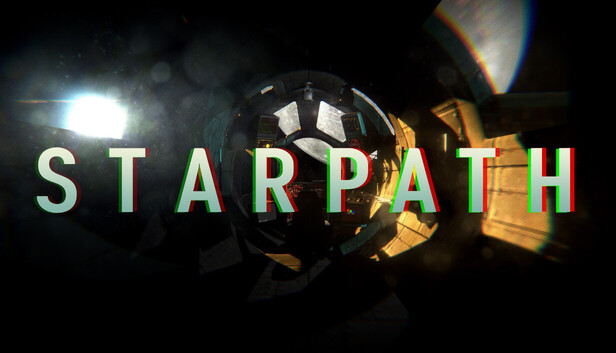
Anyway, the news is that Jonathan Smårs, who was the lead engineer & designer on Valheim, and has a long history with game development, has revealed his next game: Starpath.
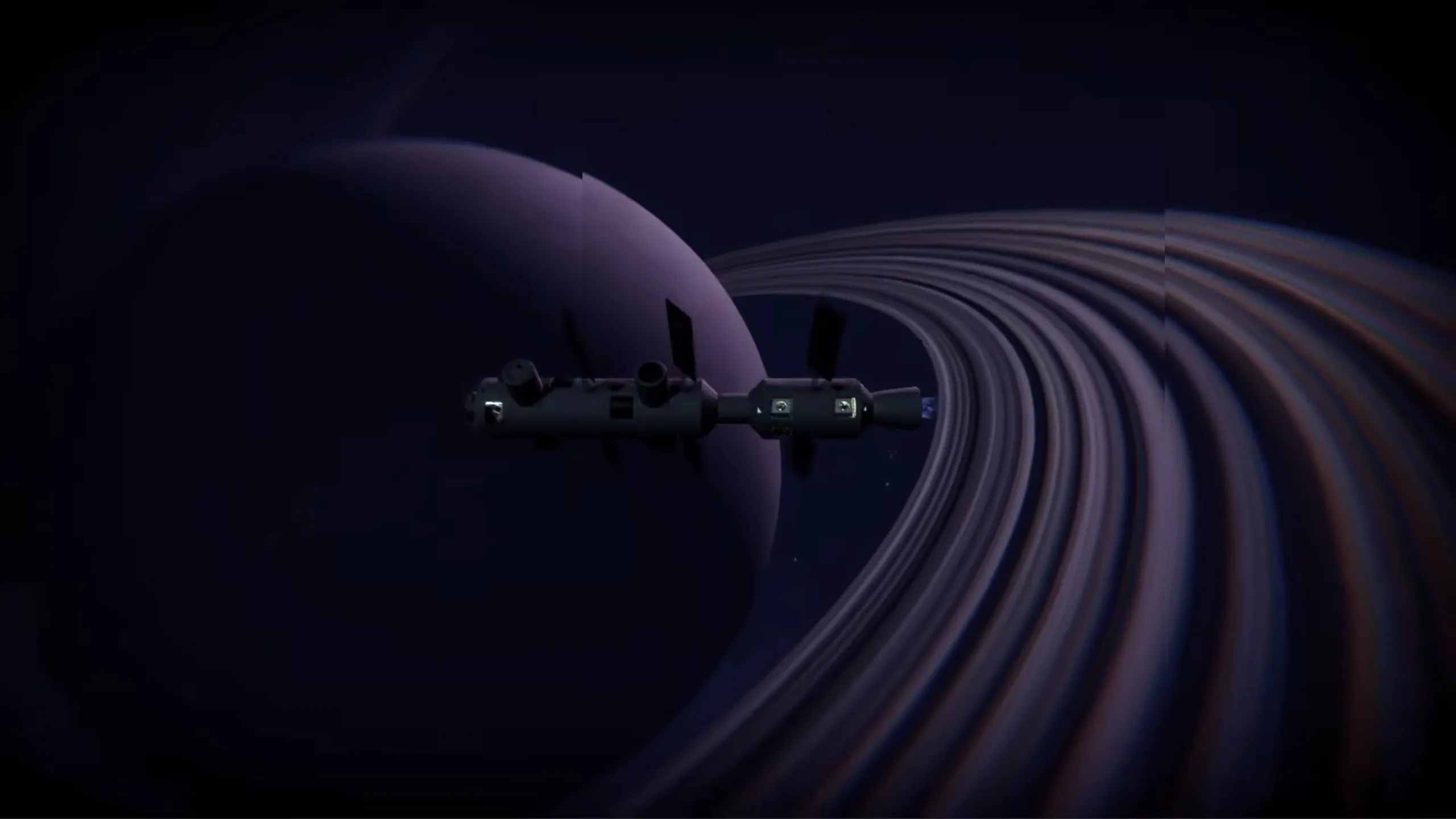 Starpath Release trailer screenshot / Credit Jonathan Smårs
Starpath
Starpath puts you in charge of a starship you build, expand on, and run yourself. Alone or with friends in co-op. The pitch is “build your starship alone or with friends and explore a seamless universe,” and it seems like Smårs is leaning into simulation rather than arcade space opera.
The images and clips give me a creepy, eerie vibe. With its retro aesthetics and 70s and 80s influences, it is paying homage to early sci-fi like Alien and 2001: A Space Odyssey. At least that is what it feels like to me, helped by the haunting score (played on a 1.44mb disk) by Terra Black - Divinest Sin.

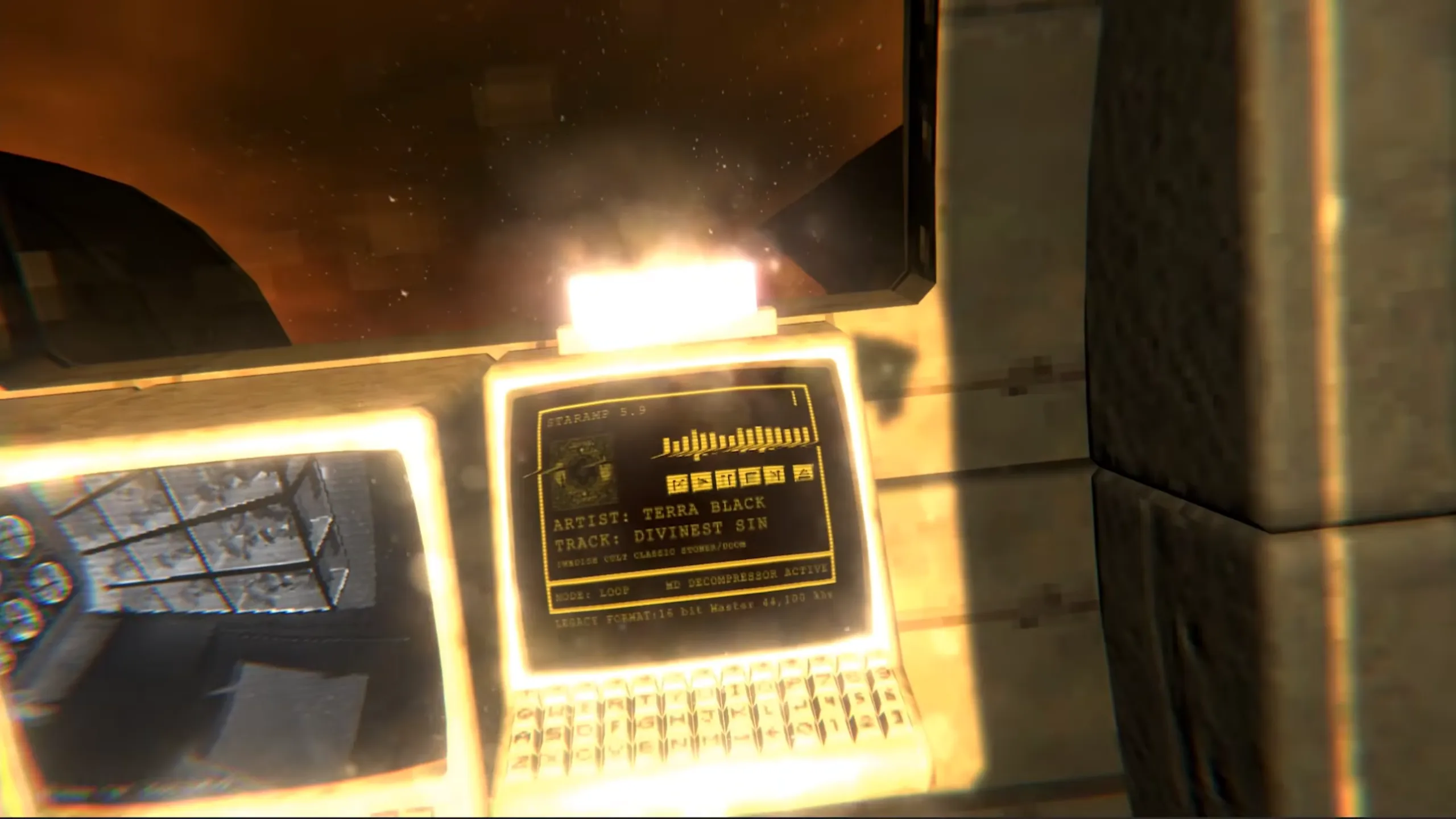 Starpath Release trailer screenshot / Credit Jonathan Smårs
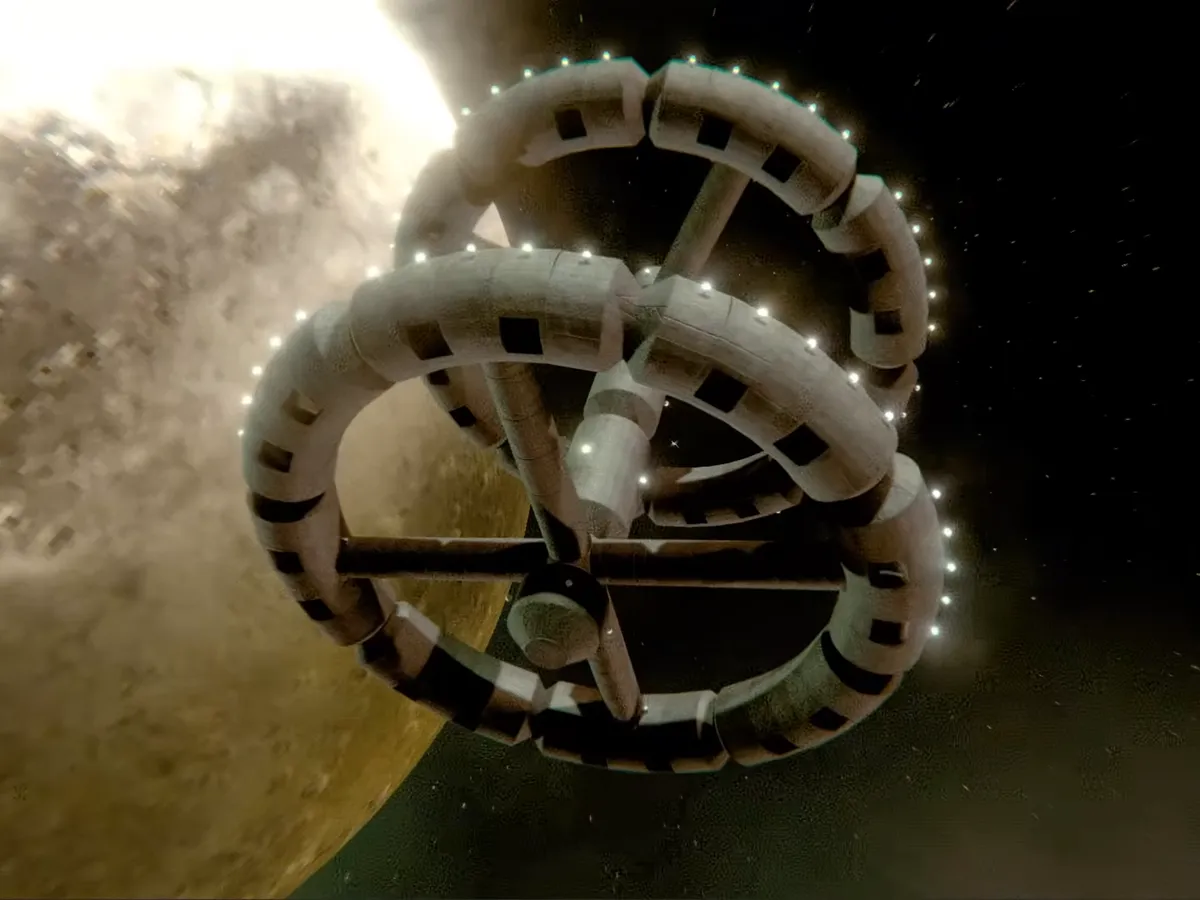
That means real orbital mechanics, six degrees of freedom, and ships you design from the inside out: airlocks, functional systems, and rotating von Braun wheels to generate gravity the same way the universe does it. Survival pressure comes from oxygen, food grown in greenhouses, power, and atmospheric controls. Exploration is salvaging derelicts, scanning planets, and digging up whatever mysteries the game is hiding.
The aesthetic carries through to the controls too. Physical, button-covered panels that take inspiration from old NASA manuals. “Every button is usable and serves a purpose” is one of the lines on the Steam page, and that tells you a lot about the project’s temperament and the purposeful complexity we can expect from this game.
Simulation heavy
When looking at the release trailer video, we get the sense that there is deep simulation involved. We can see grow lights being used to grow plants, positioned just so. We see computer monitors monitoring parts of the ship. We see building and deployment of solar panels.
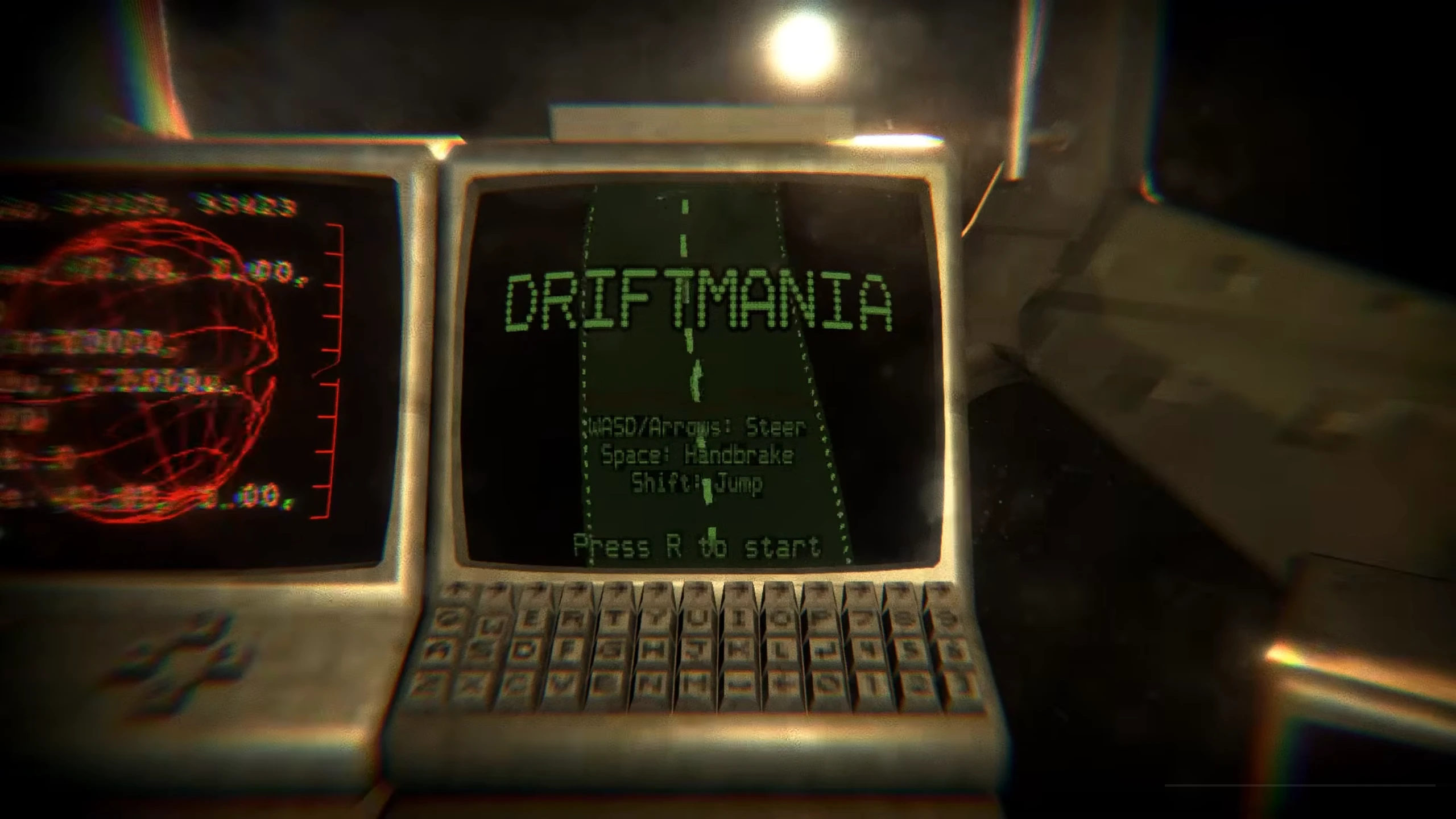
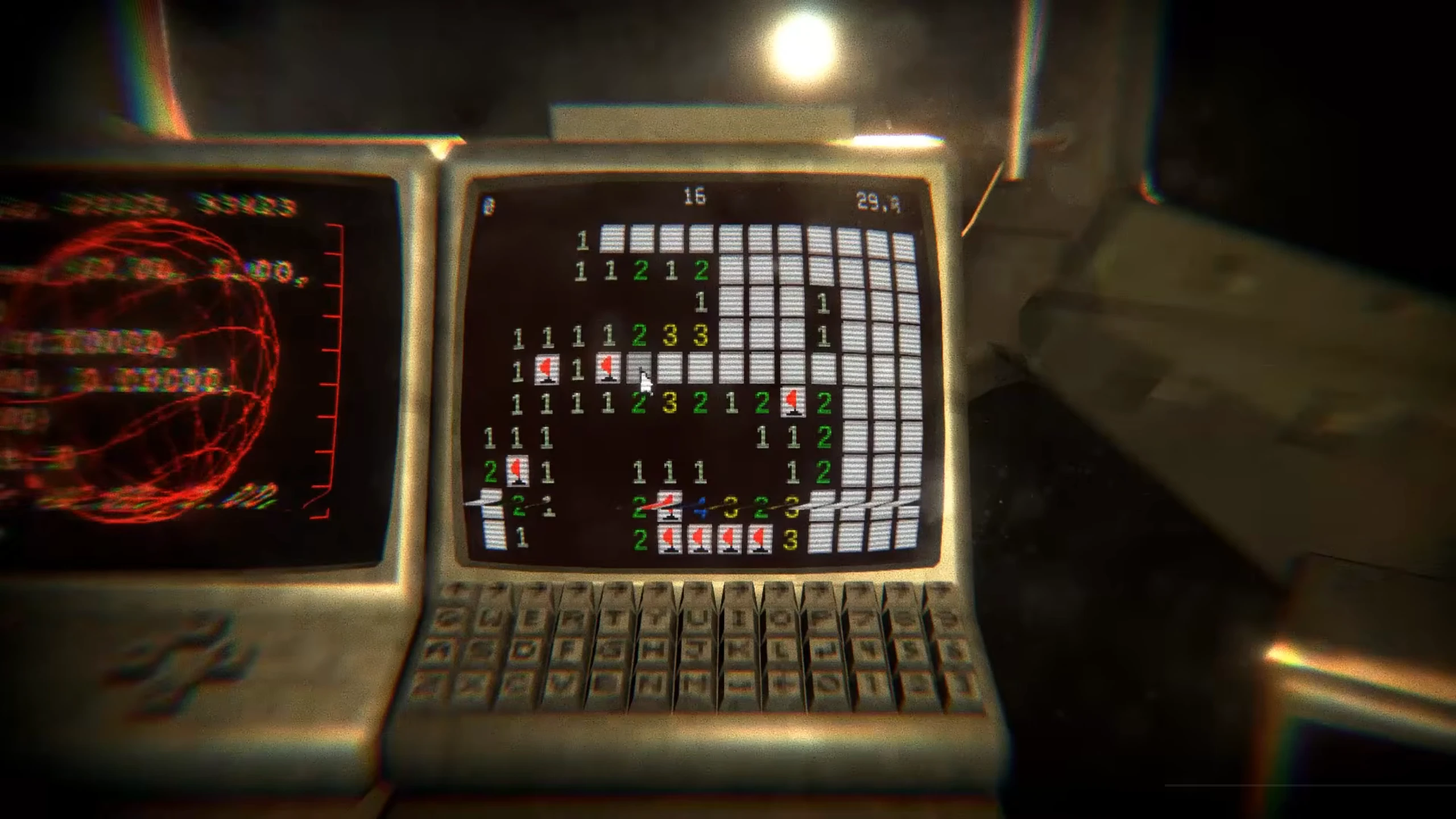
And interestingly, we see computers playing old video game bangers like Minesweeper and Driftmania. Alluding to functioning computers with logic in game, perhaps?
Huge feature list
There are a lot of bullet points to dig through on the Steam page. There will be mechanics tied to gravity, oxygen, navigation through space (and not crashing), and gathering resources. But it goes further than that.
On the ship side, you build the thing yourself from various parts. The word “cozy” is mentioned on the Steam page, but can only be seen in a few plants on the released screenshots. The ship needs to keep on running, meaning maintaining an oxygen supply and nutrients to survive the cold vacuum of space, running a greenhouse to refill oxygen and food reserves, and balancing power across solar panels, nuclear reactors, and batteries.
Keep manual levers around for the inevitable outage. When asteroids put a hole in your hull, you build an airlock, suit up, and perform an EVA to patch it. If you want gravity, you construct a rotating von Braun ring, because there are no fake gravity generators here.
Flying is where the simulation really kicks in. The physics are scientifically correct, so burns give you momentum and the only way to stop is to burn again. Save your fuel. There is full six degrees of freedom for both your character and your ship. You fly seamlessly through the solar system, the galaxy, and beyond, at real world distances and sizes. That means plotting courses, taking orbits, and slingshotting between star systems. For the long hauls, cryo sleep lets you skip time, but you better set your course carefully and watch for asteroids on the way.
All this makes the game sound rather complex, and I’m excited to see how the balancing act between complexity and fun turns out.
This is not an Iron Gate title though, Jonathan Smårs is personally credited. Meaning this is a personal project.
On the Steam page he notes:
We want to get the game in your hands as soon as possible, and keep growing and improving the game for a long time.
Something I take to mean there will be an early access release in the not too distant future. Game development is hard and scope has a tendency to change, so time will tell.
Closing thoughts
What pulls me in here is the aesthetics. That retro flair and the nods to sci-fi of the past. But what I find most interesting is how it compares to other co-op building games, and how it will manage to combine simulation with fun game mechanics.
Space here looks harsh and heavy. Not cozy at all. And that, I think, is the point.
I am always happy to see people working on new and innovative stuff, a bonus when it is coming out of Scandinavia. This one is going straight on the wishlist.
You can check out the official webpage here, or join the official Starpath Discord server here. Or just wishlist it on Steam.