
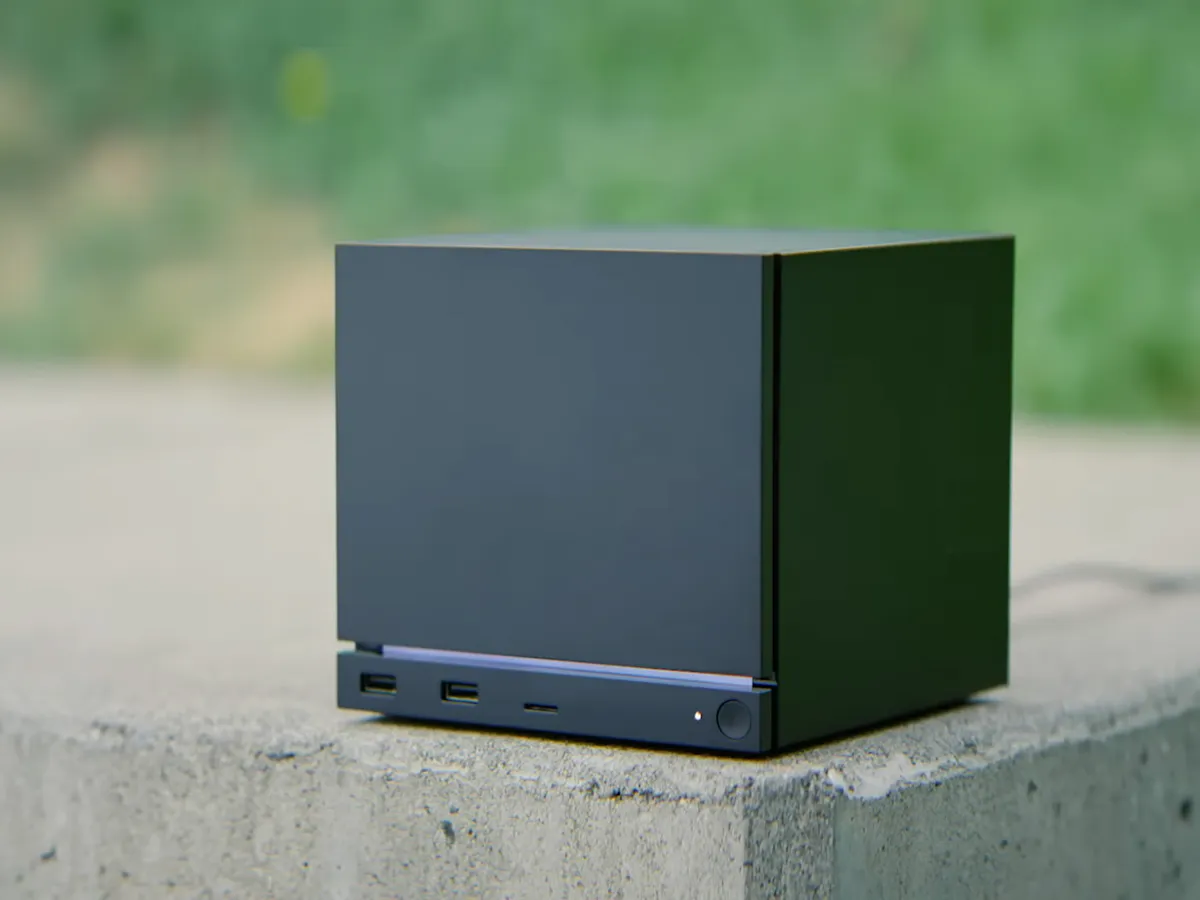
No date. No price. Come back later.
Valve published a FAQ in early February addressing the questions everyone had after the November 2025 hardware announcement.
The most important part was this:
“When we announced these products in November, we planned on being able to share specific pricing and launch dates by now. But the memory and storage shortages you’ve likely heard about across the industry have rapidly increased since then. The limited availability and growing prices of these critical components mean we must revisit our exact shipping schedule and pricing (especially around Steam Machine and Steam Frame).”
No date. No price. Come back later.
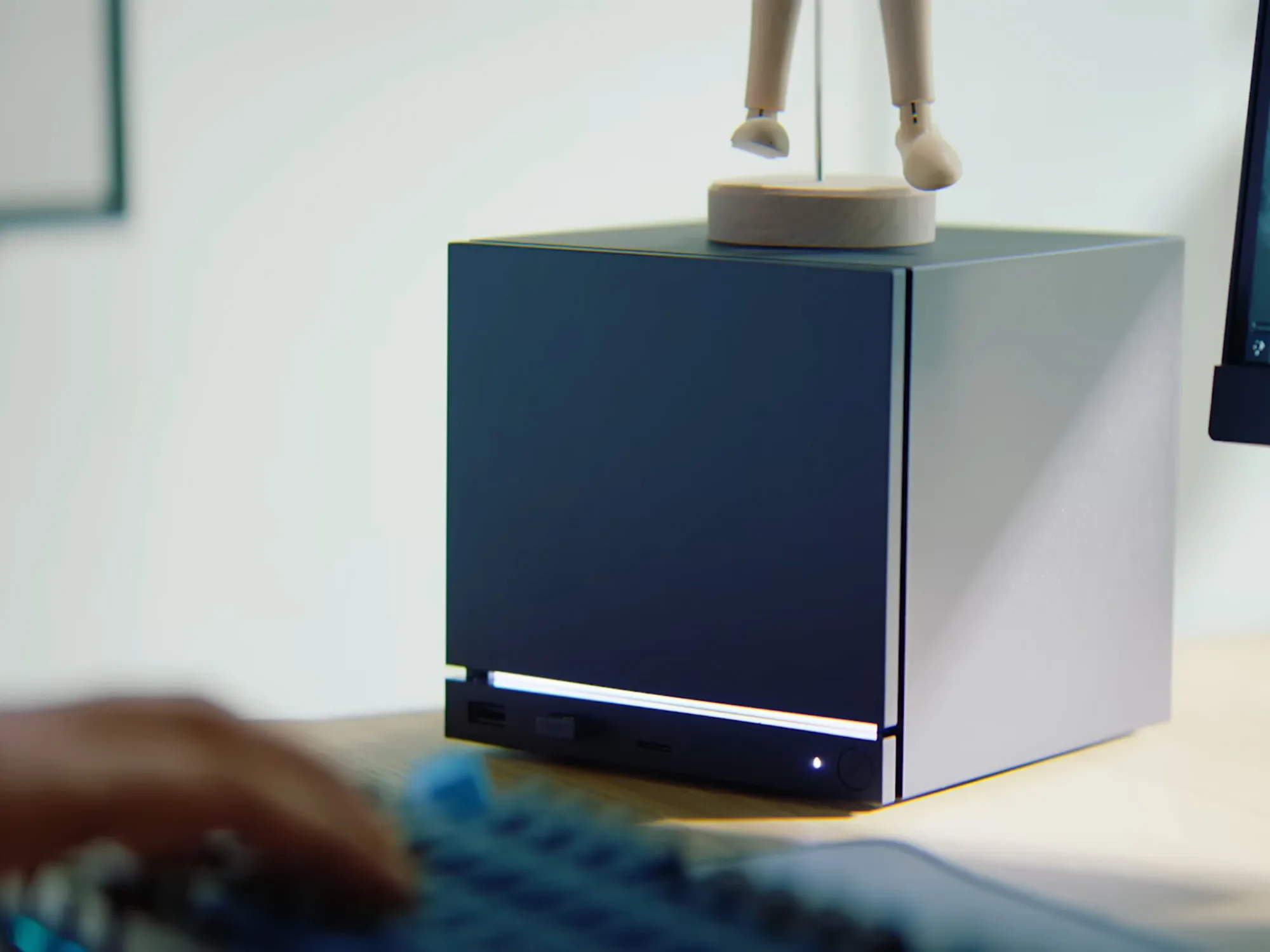 The Steam Machine looking good and small on a desk. Screengrab from Valve announcement trailer. Credit Valve.
Bad timing
Looking back, the November announcement couldn’t have landed at a worse moment. Not because Valve did anything wrong, but you can’t plan for a global RAMGEDDON. And it puts Valve in a position of announcing hardware when they couldn’t commit to pricing or shipping.
Hype has a shelf life… well normally it does, unsure when it comes to hardware from Valve.
Who is buying all the RAM?
This shortage exists because AI infrastructure demand has absolutely crushed the consumer memory market.
Data centers building out GPU clusters need enormous amounts of RAM and storage, and that demand has driven prices up and availability down across the entire industry.
A local illustration of the AI booms scale
Want a concrete illustration of how serious this buildout is?
I live in Norway. We’re a country of 5.6 million people. And we currently have three major AI datacenter projects either under construction or in planning.
Google is currently building a facility in Skien, with a second site planned in Østfold reportedly drawing power equivalent to 200,000 homes. If, they can get the power.
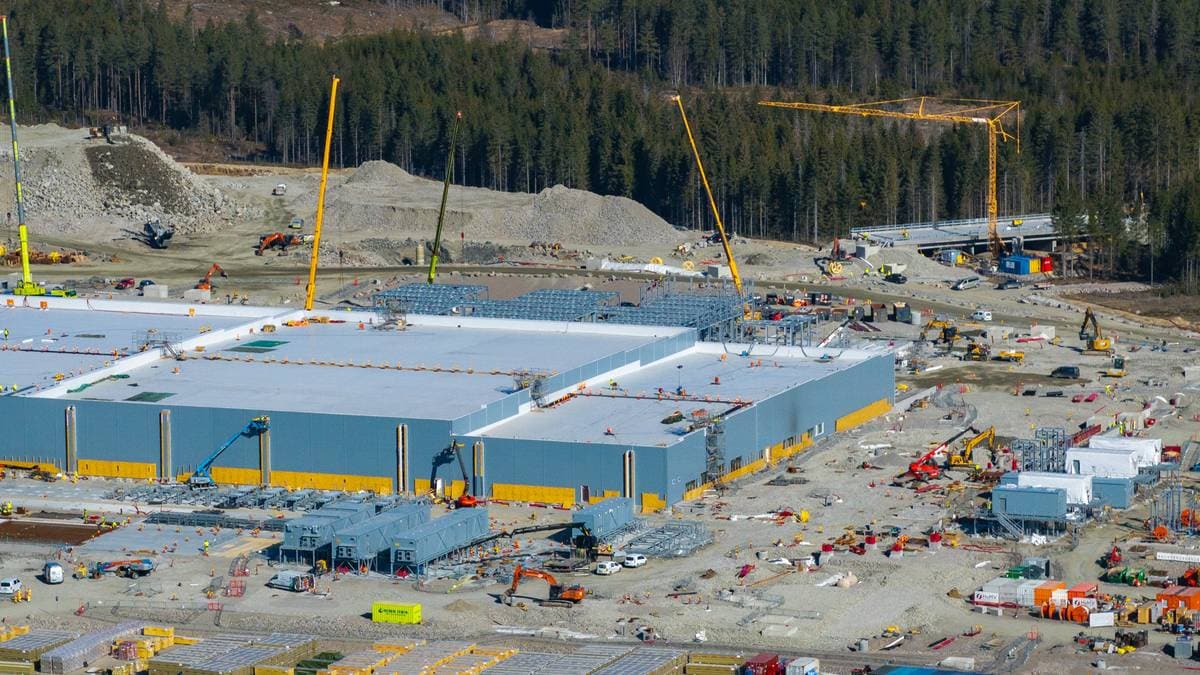
And in Narvik, up here in Northern Norway, key -and exotic players in the Norwegian market; OpenAI, Nvidia, Aker, and Nscale are building Stargate Norway.
That’s a planned 230MW initial capacity targeting 100,000 NVIDIA GPUs by end of 2026, with ambitions to add a further 290MW on top of that. It is OpenAI’s first datacenter initiative in Europe, and one of the most significant AI infrastructure investments on the continent at the time of announcement.
Norway was chosen for its cheap hydropower and cool climate. Something loved by electrical components and directors alike.
What it illustrates, at a scale that’s easy to visualize, is the sheer volume of silicon being absorbed by AI infrastructure right now, even in a small country like Norway.
The uncomfortable connection
People, we consumers, are broadly skeptical about AI. We don’t know how it will impact our jobs, our creative industries, or our daily lives. And we are afraid of further consolidation of power in the hands of a few big tech companies. With very little left for the rest of us.
That very infrastructure buildout fueling all of it is the direct reason you can’t buy a Steam Deck today, why the Steam Machines price has not been announced or why it is riddiculsy expensive to built a custom PC at the moment.
The RAM that would go into your gaming PC or your next console is competing against demand from facilities being built by OpenAI and Nvidia, in places around the world, like little Narvik.
RAM prices are not coming down fast, these things move slowly. Valve’s “first half of 2026” target is starting to look optimistic depending on how the component market moves over the next few months.
The hardware is ready, our wallets are not
The Steam Machine and Steam Frame should probably already be on shelves. The hardware is ready. The software is ready. The market wants this.
The launch window of 2026 for the Steam Machine and Steam Frame would be very smart, since the consoles are at the end of their lifecycle. However, getting slammed in the face with a global RAM shortage is not.
I’ll contine to look at this and update as we get more news.
